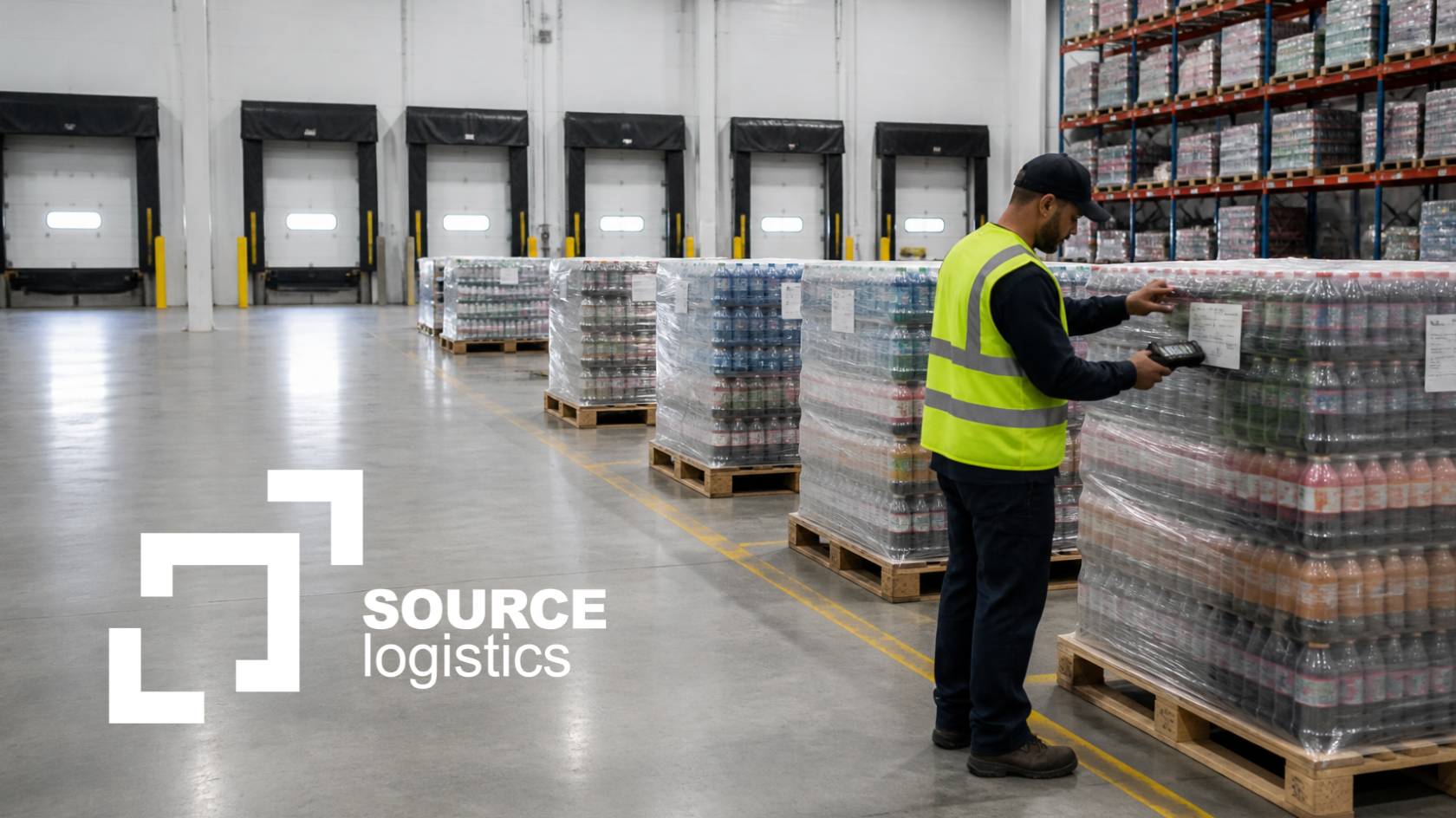
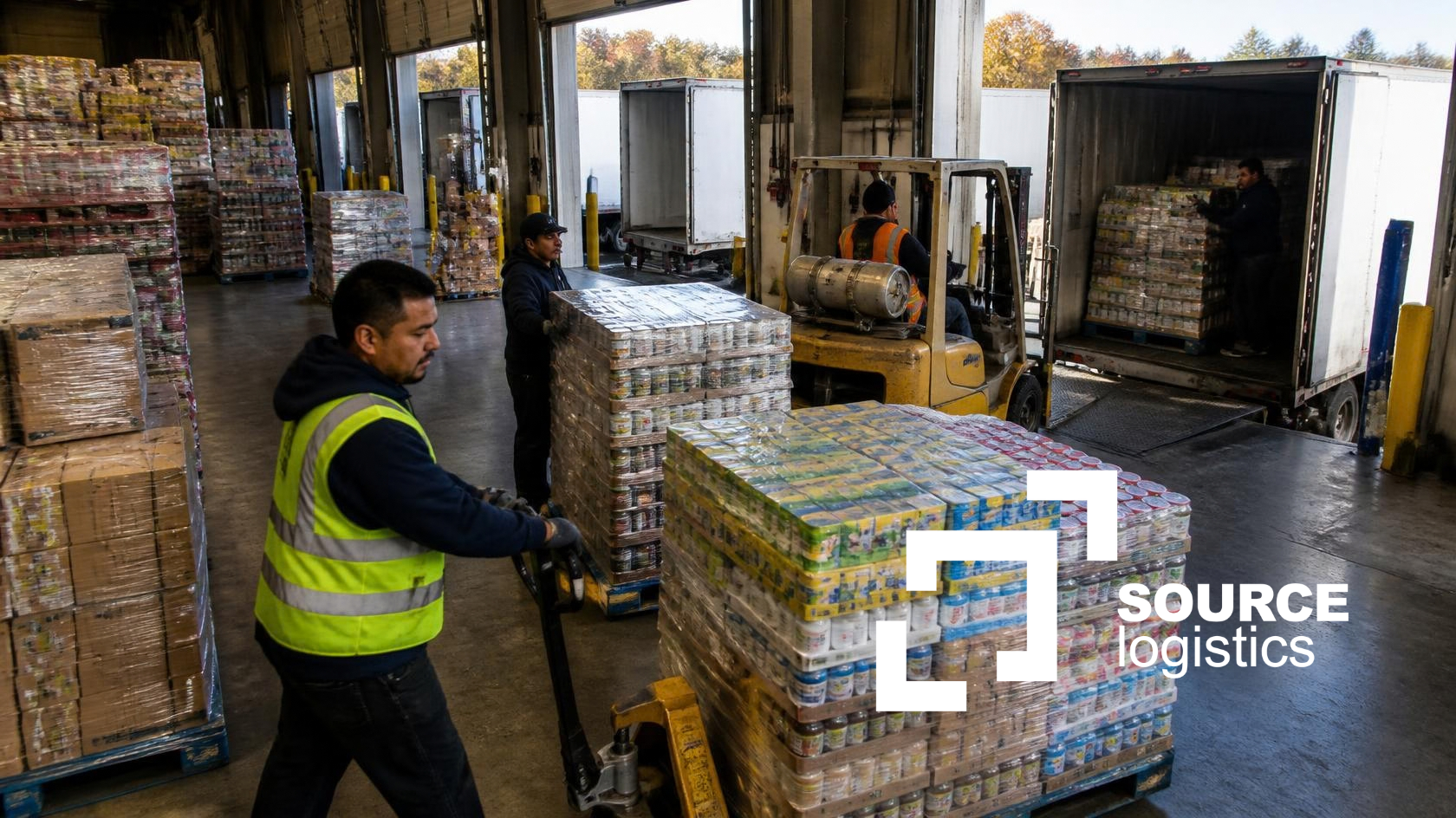
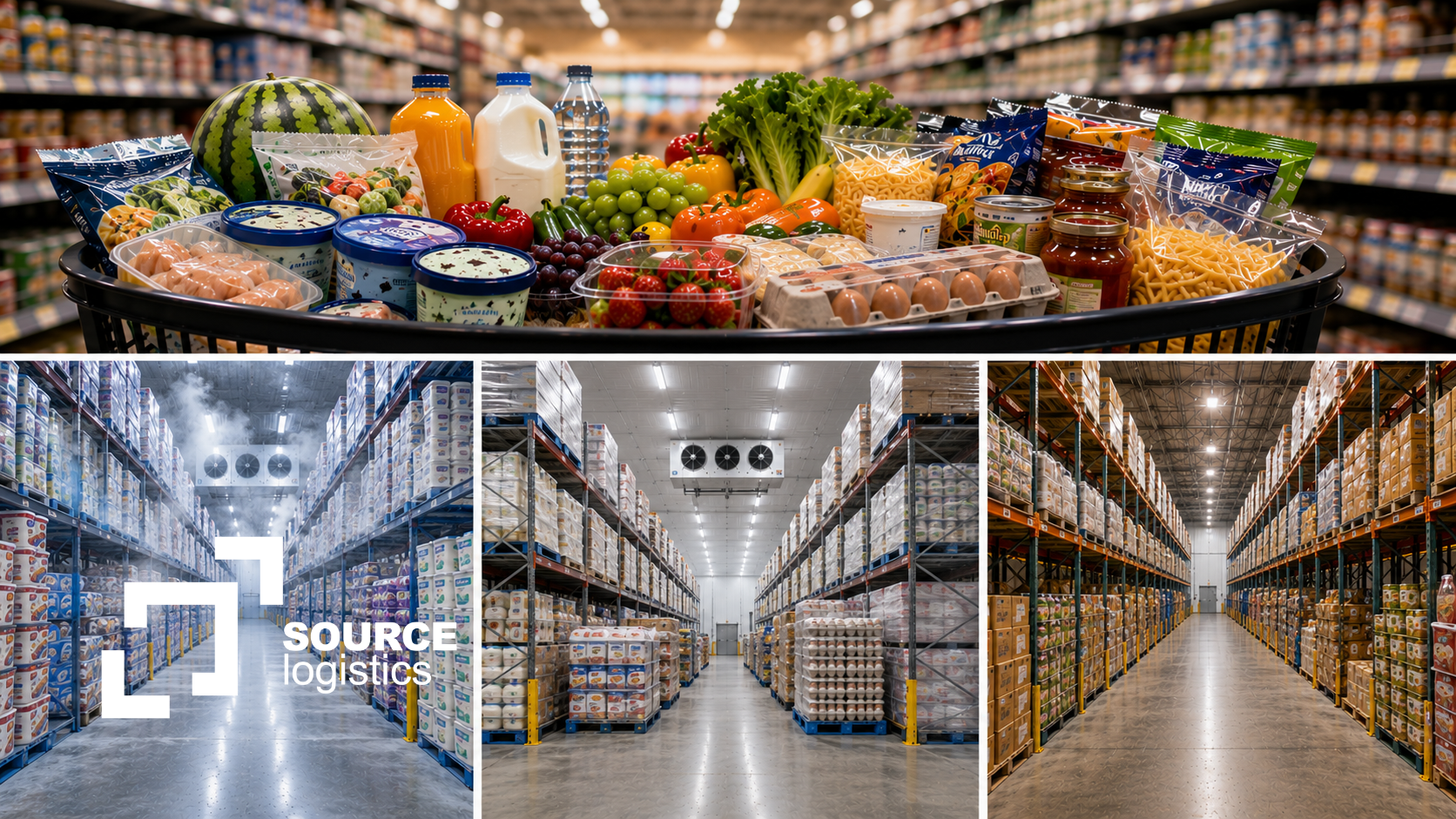
A warehouse can be full and still miss its shipments.
Picture a beverage brand heading into the holiday quarter. The cases are in the building, the count is accurate and there’s more than enough product to cover its major retail orders. On paper, every order is covered.
Then the details surface. One retailer needs a different pallet pattern. Another needs new case labels. A third ordered promotional multipacks that haven’t been built yet. The product exists, but none of it can leave the dock today.
That’s the gap between inventory on hand and inventory ready to ship. Brands track the first number closely. The second is harder to measure, and that’s where the cost hides.
On Hand and Ready Are Two Different Numbers
Inventory systems are built to count units. Retailers receive shipments: specific case packs, labels, pallet configurations and data that must match what shows up at the door.
Standards from GS1, the nonprofit that maintains the barcode system used across global supply chains, show how tightly those pieces connect. The Serial Shipping Container Code on a pallet label links that physical unit to the shipment data sent ahead of it in an advance ship notice. When the label, the pallet and the data disagree, a shipment can stall at receiving even if the product inside is right.
Each retailer layers its own requirements on top of those standards. The same case of product can be ready for one customer and unshippable for another.
The trouble starts when the system can’t tell the difference. If a pallet waiting on relabeling looks identical to a pallet ready for allocation, planners commit inventory without seeing the work in between. The gap stays invisible until it reaches an outbound dock.
Retailers Penalize the Details, Not Only the Product
Retailers don’t absorb that gap. They pass it back to the supplier.
Researchers writing in the Journal of Operations Management reviewed supplier compliance manuals from 111 retailers. Most of the chargeback penalties those manuals list involve execution quality, meaning the parts of fulfillment beyond price, quantity, product quality and delivery time. Labels, packaging, pallet builds and paperwork fall squarely in that group.
Those penalties add up. In the Credit Research Foundation’s 2023 Deduction Metrics Survey, the median company reported non-trade deductions, the category that includes compliance chargebacks, of 1.1% to 2% of sales. That’s up from 0.5% to 1% in 2021. Seventeen percent of respondents put the figure above 5% of sales, compared with 6% two years earlier.
The Chargeback Is Only the Visible Cost
When a readiness problem surfaces at the dock, the cost spreads across the operation:
- Crews pull pallets back out of staging
- Cases get relabeled, rewrapped or rebuilt into a new pallet pattern
- Labor planned for other orders gets redirected
- Missed delivery appointments mean rescheduling freight
- Trucks wait at the dock while detention builds
For food and beverage brands, time carries its own cost. Every day spent on avoidable rework comes out of the product’s remaining shelf life, leaving less room for the next disruption.
Close the Gap Before the Order Is Released
The fix starts upstream, well before a truck is scheduled.
Retailer specifications should be captured when a customer or program is set up, then built into how product is received, stored, labeled and picked. When an order needs repacking, kitting or a pallet rebuild, that work belongs on the same schedule as inventory availability and outbound appointments.
Inventory status also has to match what’s happening on the floor. Product awaiting relabeling or assembly should carry a different status than product ready to allocate. That single distinction turns the readiness gap into a number planners can see. It also shows which orders can ship now, which need more work and whether that work can finish before pickup.
Traceability has to survive the rework, too. FDA’s Food Traceability Rule adds recordkeeping requirements for certain foods, and Congress has directed FDA not to enforce it before July 20, 2028. Many major food retailers have written the requirements into supplier contracts on earlier timelines. Every repack or relabel should keep lot information tied to each unit and its destination.
Questions to Ask Before Peak Orders Release
- How much of our on-hand inventory is ready to ship to each retail account today?
- Does our system show product awaiting relabeling, kitting or rebuilds as a separate status?
- Are each retailer’s label, pallet and ASN requirements documented before orders arrive?
- Is value-added work scheduled against outbound appointments, or handled when the order drops?
- Which retailers drove our compliance chargebacks last peak, and why?
- Does lot and expiration data follow product through every repack and relabel?
Count Ready Inventory Before Peak Season Counts It for You
Q4 exposes every readiness gap at once: more orders, more promotions and tighter delivery windows. The brands that hold up know, before orders release, how much of their inventory is actually ready to ship.
See how kitting, repacking and retail-ready execution fit into our fulfillment services.
On hand is a count. Ready is a commitment.
Source Logistics helps food and beverage, CPG and retail brands ship retail-ready orders on time through warehousing, fulfillment and value-added services like kitting, repacking, labeling and display builds.
Connect with our team to find where your on-hand inventory and your ship-ready inventory don’t match before peak orders release.