One of the biggest logistics deals of the year is a bet on scale.
For the companies involved, the logic is clear. More freight, more carriers, more data and more technology spread across a larger network.
For shippers, the more useful question is what happens to their freight while the deal is being absorbed. That window is long, and it is where this wave of consolidation will prove itself.
What Happened
On October 5, C.H. Robinson announced a definitive agreement to acquire RXO in a stock-and-cash deal with an implied value of $5.8 billion, according to the company’s press release. The deal is expected to close in the first half of 2027, subject to regulatory clearance and RXO shareholder approval.
Supply Chain Dive reports the combined company would have more than $25 billion in revenue. C.H. Robinson expects about $300 million in net run-rate savings within two years of closing, partly from AI deployment and real estate consolidation.
Analysts have been largely positive on the strategy and cautious on execution. Transport Topics reports that analysts at UBS and BMO Capital Markets flagged systems integration, talent retention and the $300 million synergy target as the main risks.
It is not the only deal reshaping the market. On October 1, CMA CGM completed its $1.4 billion acquisition of FedEx Supply Chain, adding about 34 million square feet of warehouse space to CEVA Logistics’ North American contract logistics business, according to CMA CGM.
Our Take: Integration Is the Real Test
Scale has real benefits, including more coverage, more capacity options and more investment in systems.
But a deal on paper does not move a load or ship an order. People, systems and processes do, and all three will be in motion through 2027 and likely beyond.
From where we sit, the shippers who come through consolidation well tend to treat it as an operating risk and manage it that way. That means measuring service now, before anything changes, so there is a baseline to hold providers to later.
This is good practice with any merger. Integration is a period of change, and change is worth measuring.
Size Is a Starting Point. Execution Is What You Buy.
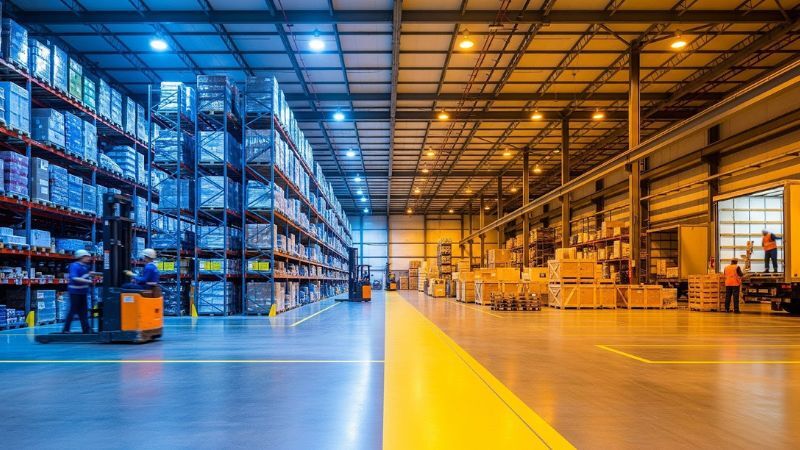
As consolidation continues, shippers will hear more about network size: total square feet, number of facilities, number of carriers. Those numbers matter for coverage and flexibility.
They do not tell you how your product will be handled on a Tuesday afternoon in the second week of peak.
A bigger network is also not the same as more coverage where you need it. Supply Chain Management Review notes that C.H. Robinson lists about 450,000 carriers and RXO about 150,000, but the companies have not disclosed how many overlap.
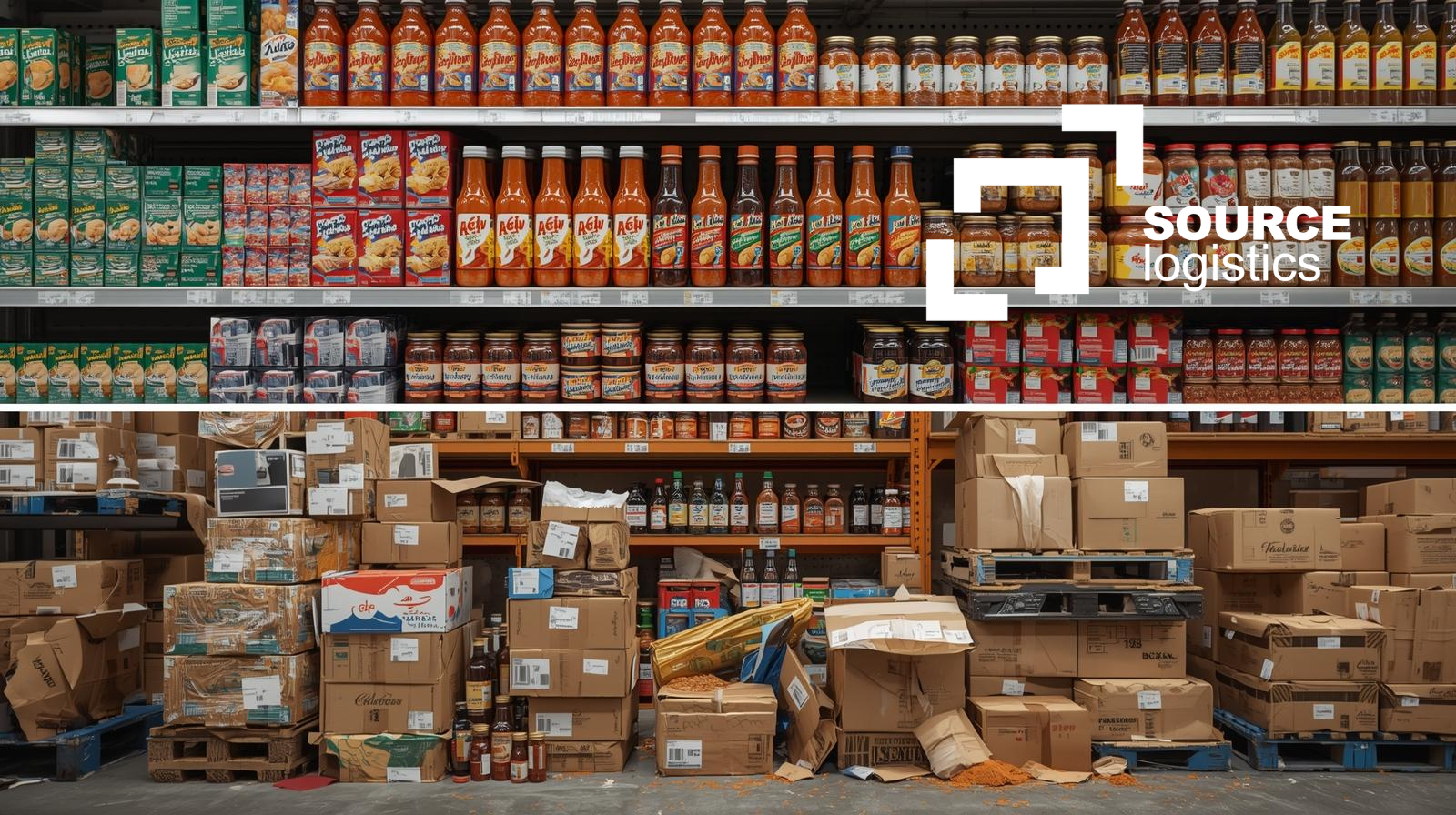
What shippers depend on is execution in their categories. A food and beverage brand needs shelf life and temperature treated as daily disciplines. A health and beauty brand needs a team that understands hazmat and retailer prep requirements. A CPG brand selling into big-box retail needs chargebacks kept off the invoice.
A provider can be large and specialized. The point is to evaluate both, separately.
What Shippers Typically Watch During a Merger
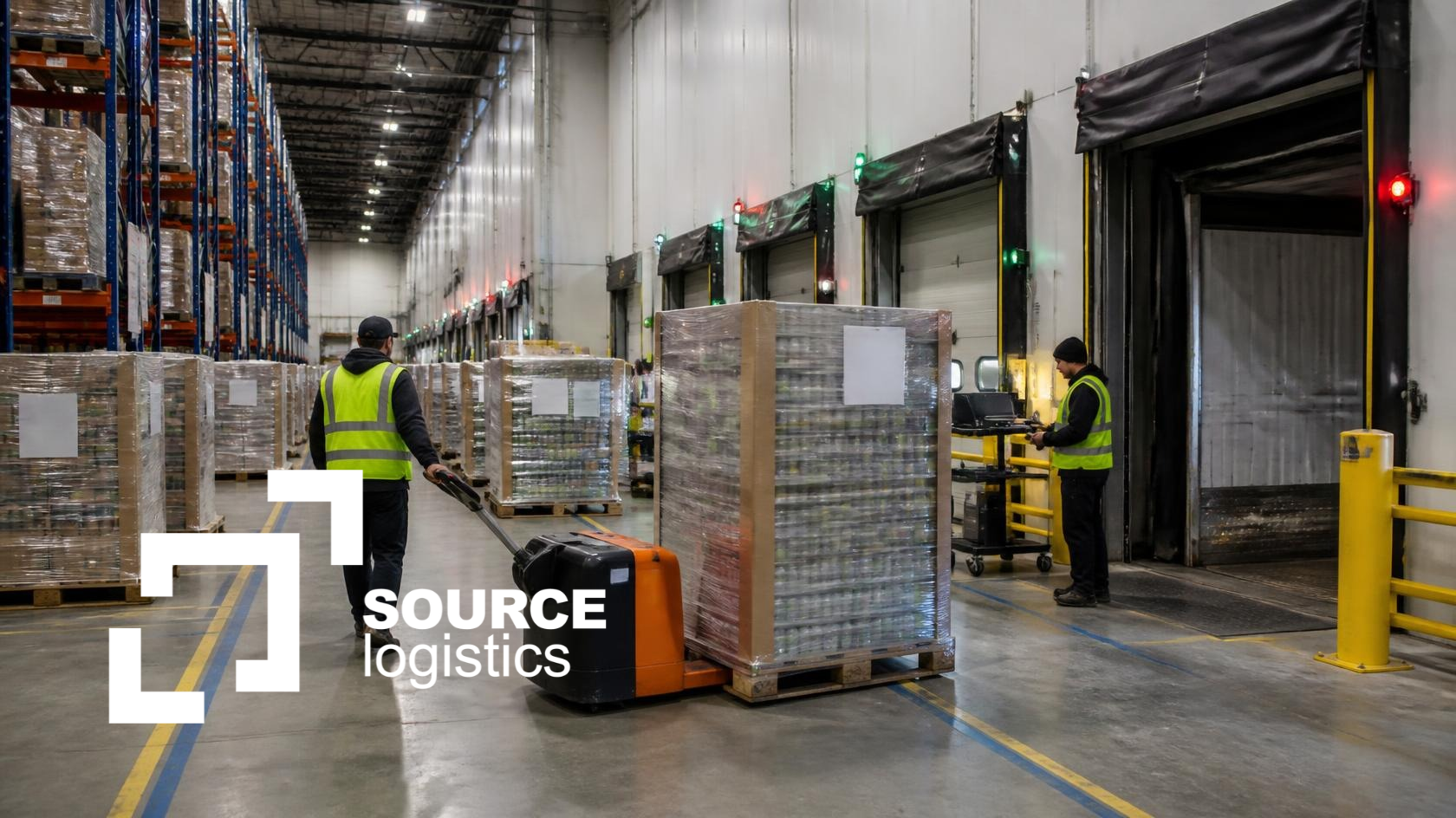
In any merger, integration issues rarely show up first in a press release. When they happen, they tend to show up at the dock. These are the areas experienced shippers watch most closely:
- Tender acceptance on key lanes
- Pickup appointment reliability
- How long staged outbound orders wait
- Detention and re-consignment charges
- OTIF scores and retailer chargebacks
Integration can also bring changes to the people you call, as account teams and support functions come together. Technology often changes too: Supply Chain Dive reports that C.H. Robinson’s Navisphere platform would become the core system for overlapping truckload and LTL services. If your EDI connections, tendering rules or tracking feeds run through an acquired company’s systems, it’s worth confirming early what will change and when.
How to Plan for It
Start by pulling 6 to 12 months of performance data for any provider involved in a deal. That is your baseline.
Then ask your providers:
- Who will manage our account through integration, and will that change?
- Which systems will our orders, tenders, tracking and invoices run through after close?
- How will the projected savings affect account support and exception response?
- How many accounts in our category does the team or site handling our business support today?
- What service metrics will you report to us monthly during integration?
And review your own plan:
- Do any routing guides or contingency plans rely on two providers that will become one after a deal closes?
- Do you have a qualified, independent alternative for your most critical lanes and nodes?
- Are your teams tracking missed pickups, dwell time and chargebacks by provider?
These are reasonable questions for any provider going through a merger. Good partners will welcome them.
The Bottom Line
These deals may well deliver what their buyers expect. Shippers do not need to make big changes today. They need a baseline, a backup plan and a regular check on the numbers.
A merger closes on a date. Its impact shows up in your operation one order at a time.
Source Logistics helps food and beverage, CPG, retail and health and beauty brands keep freight moving on schedule through warehousing, fulfillment, value-added services and transportation across a national network of 25+ facilities.
Connect with our team to review how your operation would hold up if your provider mix changes.