Chicago has always played a critical role in North American distribution. Strong transportation infrastructure, proximity to major population centers, access to manufacturing ecosystems, and connectivity to the lower 48 states all converge in one metro area. That is exactly why the region becomes constrained during periods of high demand, and exactly why it remains one of the most strategically important markets for CPG distribution.
What Makes Chicago Different
Few U.S. metros combine rail density and highway access the way Chicago does. The region sits at the convergence of six Class I railroads, and roughly one in four U.S. rail carloads and intermodal units originate, terminate, or pass through the Chicago area (Association of American Railroads; Chicago Metropolitan Agency for Planning, 2026). Layer in direct access to I-94, I-90, I-55, and I-88, and a single Chicago-area facility can reach the upper Midwest, the East Coast, and the South within a one- or two-day drive.
For CPG brands managing rapid SKU growth, retailer compliance pressure, and unpredictable demand spikes from promotions or launches, that geographic reach translates directly into speed-to-shelf. A distribution point that can reach a larger share of the population in fewer transit days reduces the buffer inventory a brand needs to carry to hit retailer delivery windows.
Why Capacity Gets Tight
Organizations often do not struggle because they failed to forecast demand. They struggle because they assumed they would always have options. Chicago's transportation advantages are well known across the industry, which means the same infrastructure that makes the region valuable also makes warehouse space competitive, particularly during peak season when every CPG brand serving the Midwest is evaluating capacity at the same time.
Capacity planning in a market like this is not about preparing for the most likely scenario. It is about preparing for the scenarios that cannot be fully predicted: an unplanned promotion, a new retail relationship, or a production increase that outpaces the existing network's footprint.
What This Means for a CPG Distribution Strategy
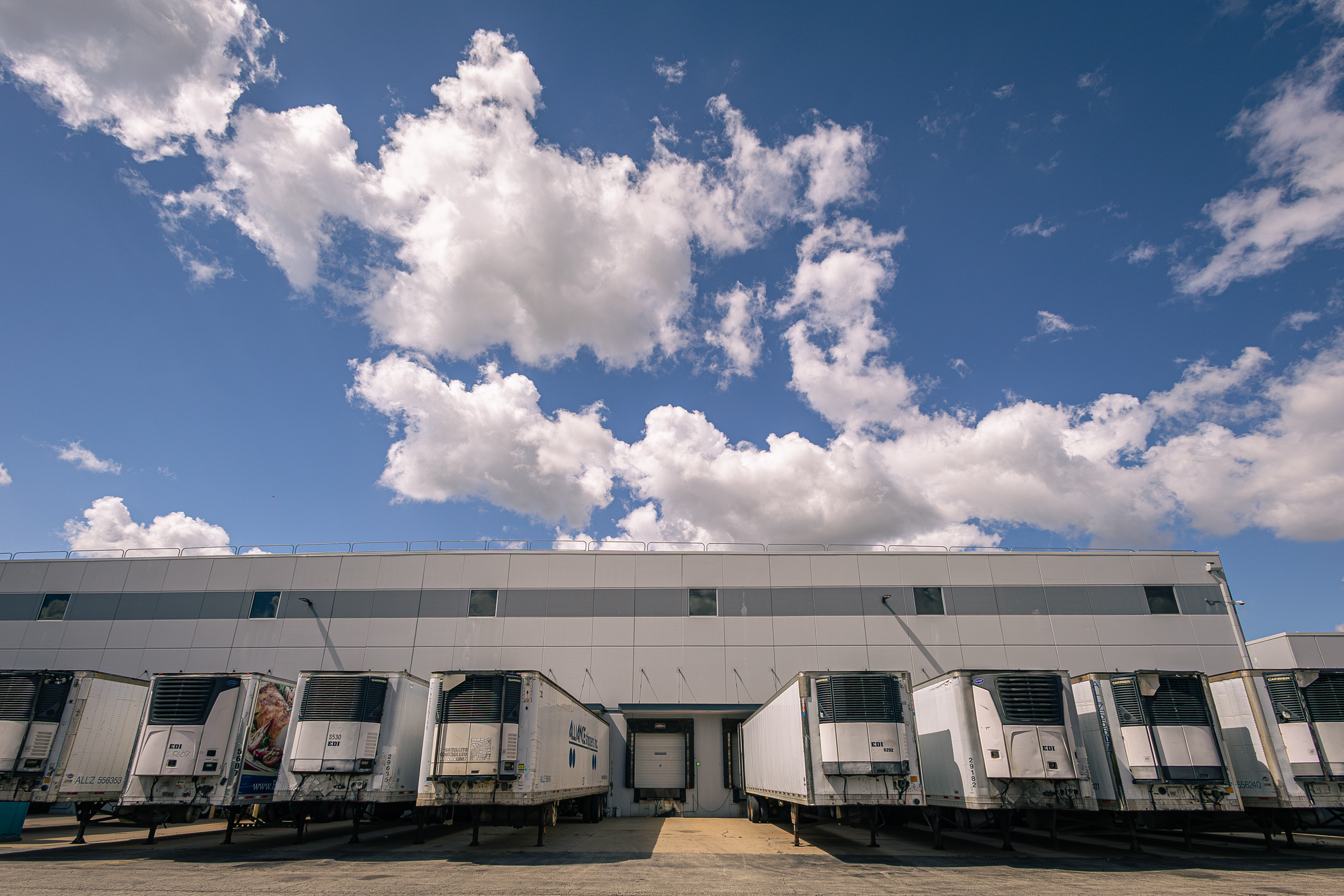
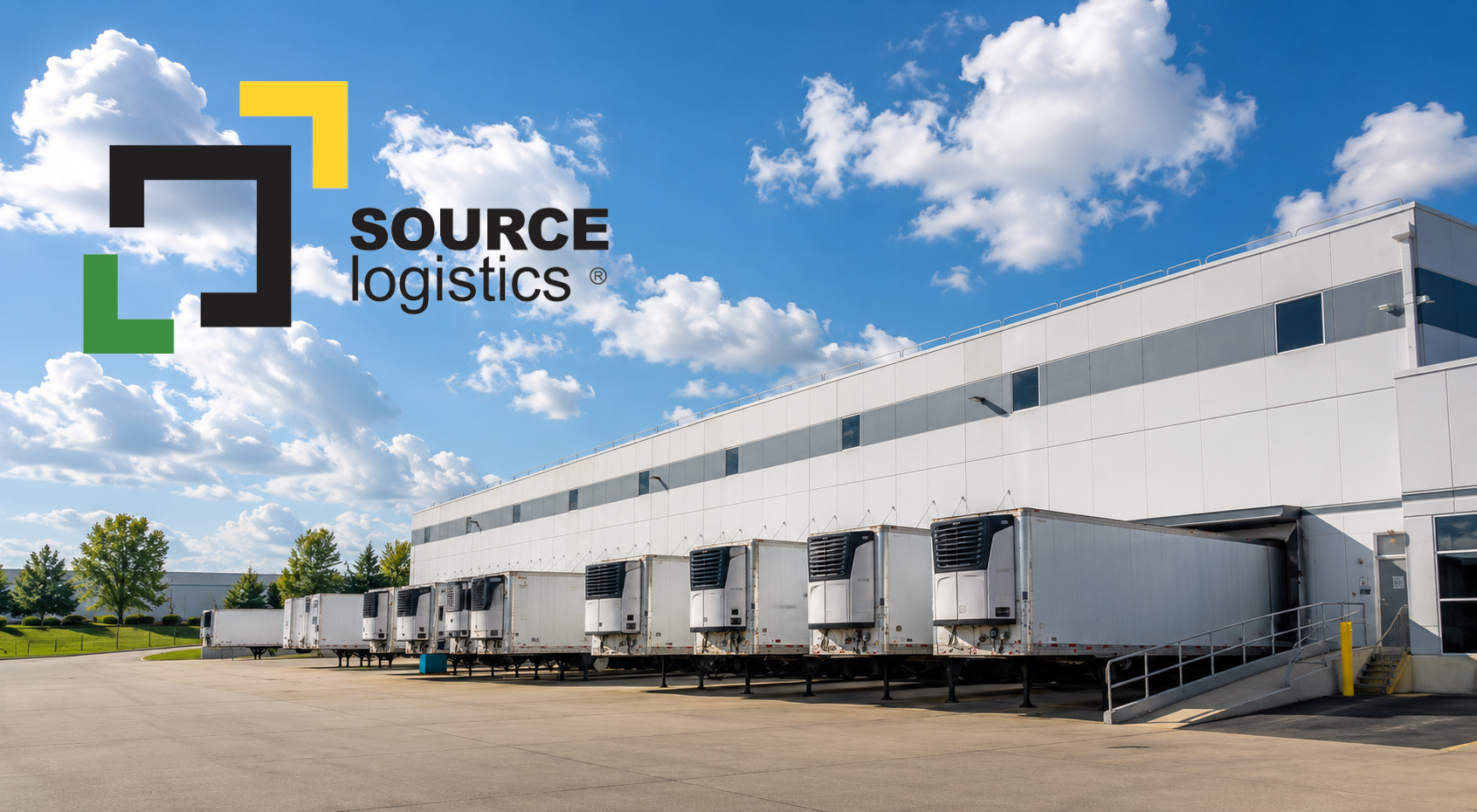
The companies that navigate demand shifts most successfully in Chicago are not necessarily the ones with the largest warehouse footprint. They are the ones that preserved flexibility before they needed it. Source Logistics' Des Plaines facility was built around that principle: a multi-client model with flexible commitment structures, selective racking for high SKU variety, and temperature-controlled storage, so CPG brands can secure capacity that fits their actual operation rather than negotiating for whatever space happens to be available.
For brands weighing whether to build, lease, or partner with a 3PL in the Chicago market, it is worth reviewing what CPG logistics involves and CPG fulfillment and distribution strategies as a starting point, alongside a direct conversation about current capacity in the region.
Frequently Asked Questions
Why is Chicago considered a strategic hub for CPG logistics? Chicago combines convergence of six Class I railroads with direct access to I-94, I-90, I-55, and I-88, giving distribution facilities reach into the upper Midwest, East Coast, and South within a one- to two-day drive.
Does Chicago's transportation advantage make warehouse space harder to secure? Yes, particularly during peak season. The same infrastructure that makes the region valuable also drives competition for space among CPG and food and beverage brands serving the Midwest.
What should CPG brands look for in a Chicago-area distribution facility? Selective racking for SKU variety, temperature-controlled storage where needed, retailer compliance certifications such as SQF and FDA registration, and flexible commitment structures rather than a fixed long-term lease.
How does Source Logistics support CPG brands in the Chicago market? Through its Des Plaines facility, which offers multi-client warehousing, temperature-controlled storage, and direct highway access built specifically for high-SKU-variety CPG and food and beverage distribution.
Talk to a CPG Specialist
If your team is evaluating Chicago-area distribution capacity, talk to a CPG specialist at Source Logistics.

.png)