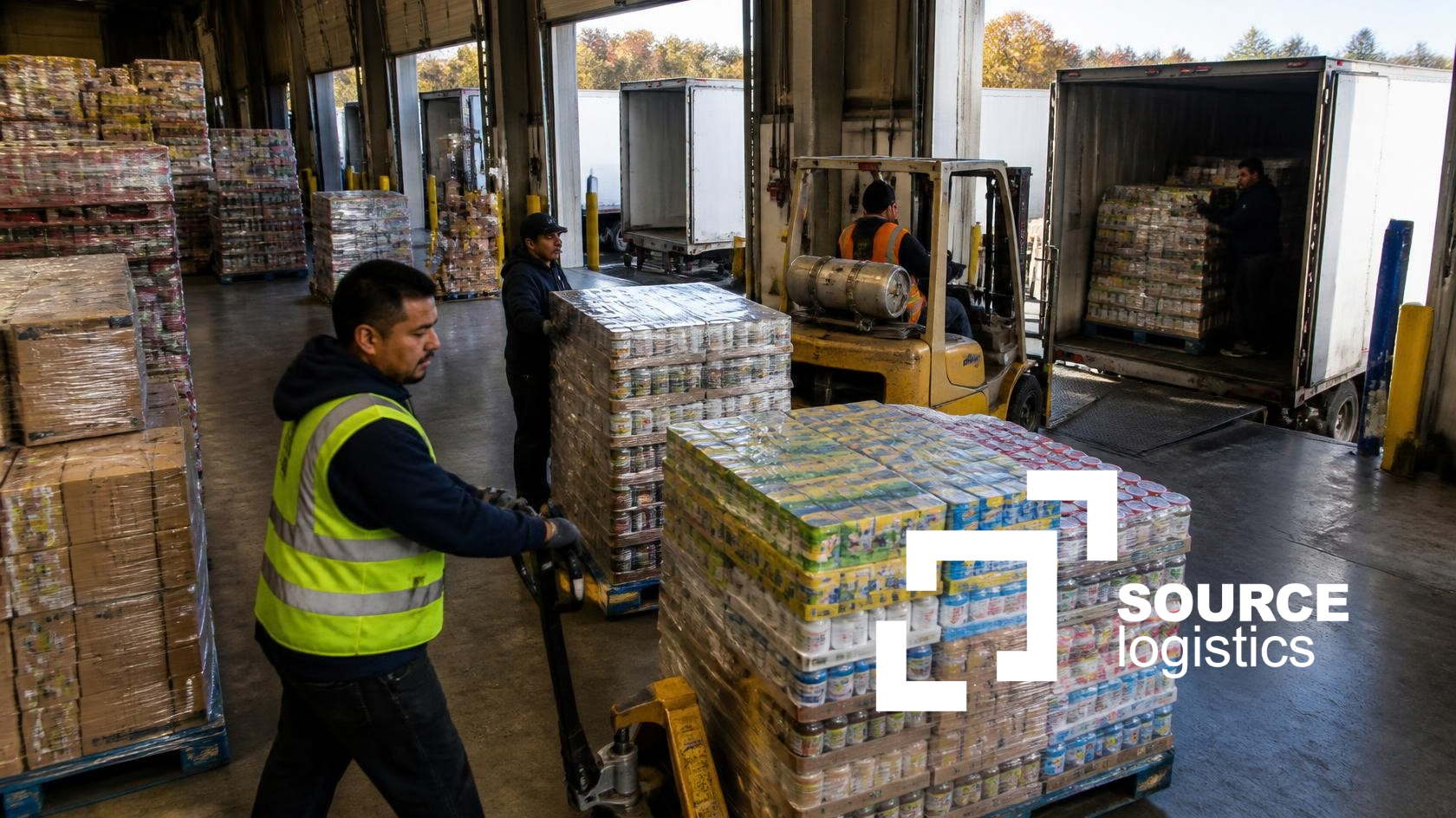
For many companies, peak season begins when promotions launch, consumer demand accelerates and distribution centers start processing their highest order volumes.
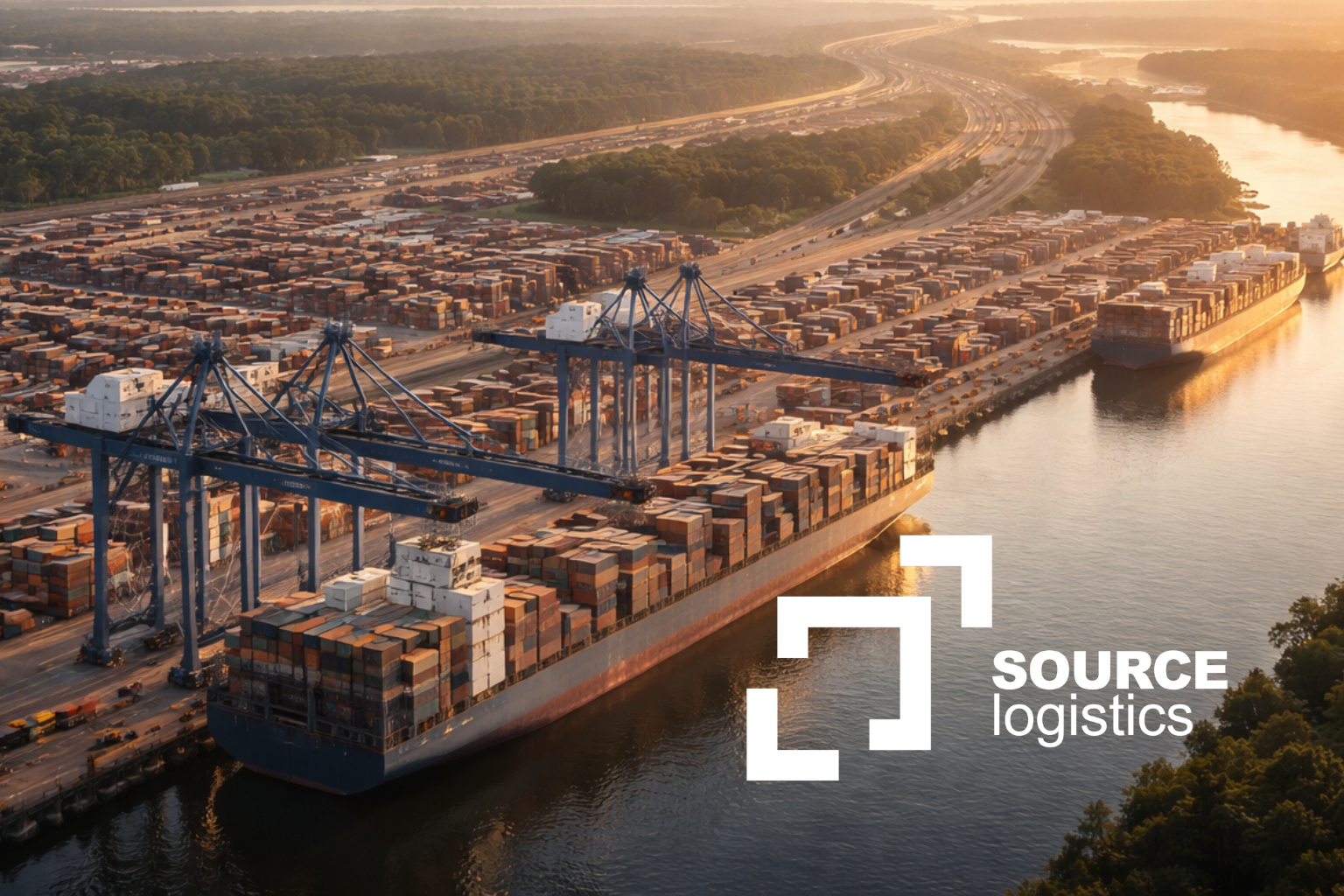
But farther upstream, especially across Midwest networks moving goods inland from major ports and rail ramps, the pressure often starts much earlier.
Retailers and importers regularly pull inventory forward to prepare for seasonal demand, avoid potential transportation disruptions or protect against changes in trade policy and capacity. That means peak season is no longer defined only by when consumers buy. For a growing share of supply chains, peak begins the moment inventory starts arriving, weeks or months before a single unit reaches a store shelf.
Early Inventory Only Helps If the Network Can Absorb It
Moving freight forward can be a reasonable response to uncertainty. It protects product availability and can provide additional flexibility for food and beverage manufacturers, CPG brands and packaging suppliers working against tight retail commitments.
For perishable or allergen-sensitive products, it can also mean the difference between meeting a shelf-life window and missing it.
But early inventory only reduces risk if there is somewhere for it to go.
Transportation and port conditions rarely produce perfectly even arrivals. A facility might receive little for two weeks, then absorb several truckloads at once as delayed and on-schedule shipments land together.
Once dock time, receiving capacity or labor reaches its limit, congestion spreads quickly. Putaway slows, staging areas become crowded, detention costs increase and early inventory begins competing for the same space as everyday stock.
The warehouse becomes the bottleneck that the early shipment was supposed to avoid.
Flexibility Beats Permanent Expansion
None of this means companies should automatically add permanent warehouse space.
Peak inventory is temporary by nature, and a facility sized for the busiest eight weeks of the year can carry too much fixed cost during the rest of the year.
The better answer is often flexible capacity. That could mean overflow storage for seasonal goods, scalable labor for receiving surges, cross-docking support or a rapid-deployment warehouse model that adds capacity without a traditional warehouse startup timeline.
Source Logistics’ Warehouse in a Box, for example, combines space, warehouse technology, equipment, labor and operational support to bring additional ambient capacity online in days instead of months. It is designed for organizations that need to respond quickly without building a new operation from the ground up.
Not every early-arriving shipment is temporary, though. When the volume reflects sustained growth rather than a seasonal increase, the better fit may be long-term, dedicated capacity within a broader warehouse network.
The distinction matters. Matching the solution to the nature of the demand is what keeps a temporary increase from becoming a long-term bottleneck.
Inbound and Outbound Planning Have to Connect
Most peak-season plans start with outbound questions: order volume, carrier capacity, staffing and delivery windows.
Those still matter, but they start too late.
A complete plan begins earlier, with what is arriving, when it is expected and where it will sit. Companies should understand which products are moving ahead of schedule, how much space and labor compressed arrivals may require, and which items carry temperature, allergen or shelf-life constraints that limit how they can be stored.
Inbound planning should consider:
- How much inventory is expected to arrive before demand increases?
- Could delayed and on-time shipments arrive within the same window?
- Is enough dock, labor and staging capacity available?
- How will early inventory affect space needed for everyday stock?
- Which products require specific temperatures, handling processes or food-safety controls?
- Is the increase seasonal, temporary or part of long-term growth?
Companies do not need to predict every rate change, disruption or policy shift correctly. They do need to recognize when their operational calendar begins before their selling season.
By the Time Peak Looks Like Peak, Capacity May Already Be Tight
The companies that manage peak season well do not wait for outbound order volume to confirm that pressure is building. They look upstream, understand what is already moving toward the warehouse and secure the right capacity before receiving and storage become constraints.
Source Logistics helps food and beverage, CPG and multicultural brands build warehousing networks that can absorb inbound surges without locking into space sized only for the busiest weeks of the year.
Connect with our team to evaluate your network before the next surge reaches the warehouse.
.png)