Black Friday and Cyber Monday drive enormous order volume – but the real operational pressure often comes after the orders ship. What many brands underestimate is that holiday returns don’t come in a single post-Christmas flood.
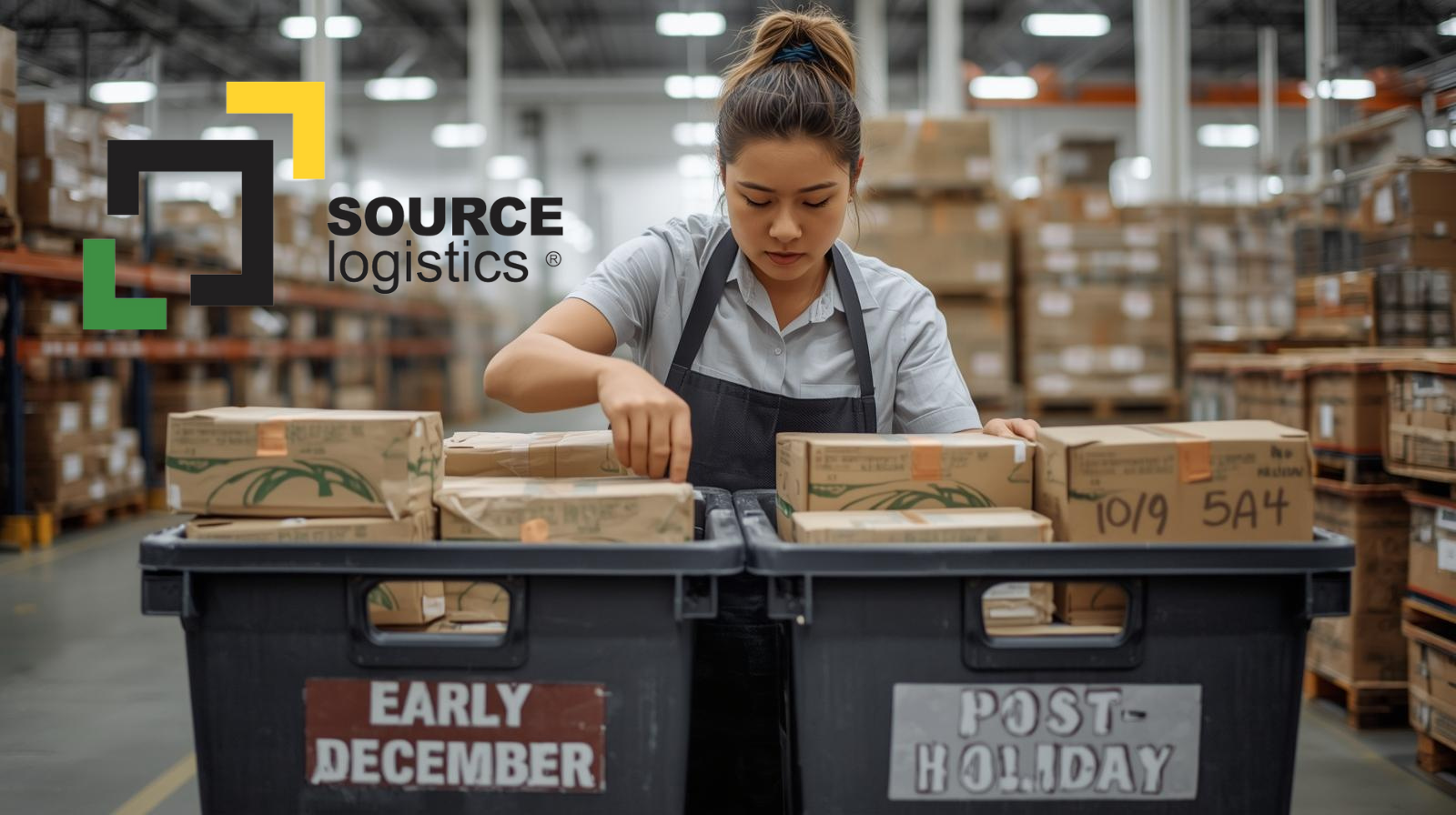
They arrive in two distinct waves, each with different causes, timelines, and impacts on operations.
Understanding this two-wave pattern is one of the easiest ways brands can protect margin, improve customer experience, and enter Q! with cleaner inventory and better insights.
Wave 1: The Cyber Week Return Spike (Dec. 1-10)
While most consumers associate returns with Dec. 26 and beyond, operators know the process starts much earlier.
Once Black Friday and Cyber Monday orders hit doorsteps – usually in early December – returns begin immediately in categories like:
- Apparel and footwear
- Beauty and personal care
- Home goods
- Electronics and small appliances
- Subscription boxes and multi-SKU kits
This early wave is driven by a few consistent behaviors:
- Deal-driven “try it” purchases
The psychology of deep discounts leads to more experimental buying – and faster buyer’s remorse.
- Buying multiple variations with the intent to return
Peak-season comparison shopping (two sizes, three colors, etc.) spikes during Cyber Week.
- Faster D2C return cycles
D2C customers typically buy, receive, and return within shorter windows than traditional retail shoppers.
- Early holiday events
Secret Santas, workplace gatherings, and early family visits generate returns weeks before Christmas.
Why Wave 1 matters:
This early spike ties up inventory exactly when brands need clean visibility for replenishment and restocking. Without a structured reverse logistics plan – inspection, relabeling, repack, return-to-stock workflows – inventory accuracy erodes at the worst possible time.
Wave 2: The Post-Holiday Return Flood (Dec. 26-Jan. 15)
This is the wave most people expect – and it’s by far the largest.
Powered by:
1. Unwanted or duplicate gifts
The classic post-holiday surge.
2. Gift card redemption
Gift cards drive a burst of new orders – and additional returns – in late December and early January.
3. Omnichannel returns complexity
Gifts purchased online but returned in-store (or vice versa) often re-enter the fulfillment network through unexpected channels.
This increases the need for:
- Item-level inspection
- Relabeling
- Repackaging
- Liquidation or refurbishment
- Inventory reconciliation
4. New Year “resolution retail”
Fitness, wellness, organization, and home products spike in both purchases and returns.
Why Wave 2 matters:
This period can overwhelm brands that fail to scale reverse logistics capacity. Backlogs lead to customer frustration, delayed refunds, slow restocks, and compressed January revenue.
The Hidden Opportunity: Returns Reveal Inventory Weaknesses
Peak-season returns often expose the root issues that limit growth for the rest of the year:
- Incorrect or noncompliant labeling
- Mixed-SKU cartons or pallets
- Missing or duplicate barcodes
- Packaging problems
- Inaccurate cycle counts
- Slotting misalignment
- Damaged inbound units
- Kitting errors
Fixing these requires more than space – it requires accurate, scalable Value-Added Services (VAS) such as:
- Kitting and de-kitting
- Inspection
- Relabeling
- Reboxing
- Refurbishment
- Returns-to-stock
- Disposal or liquidation prep
These are the workflows that determine how much inventory can be recovered – and how fast.
How the Best Brands Prepare for the Two-Wave Returns Pattern
Leading brands don’t treat returns as a seasonal afterthought. They structure reverse logistics as a core part of the supply chain.
Their playbook includes:
- Speed-focused restocking for Wave 1
December returns need clean, accurate workflows to recover sellable inventory quickly.
- Scalable VAS capacity for Wave 2
January requires sheer volume handling – with accuracy preserved at scale.
- SKU-level returns analytics
Peak season reveals product defects, packaging issues, and velocity mismatches that inform the next year’s planning.
- Unified warehousing + fulfillment + VAS
Returns touch every corner of the supply chain; fragmented providers create bottlenecks.
- Clear routing and disposition rules
Brands with pre-defined paths (restock, refurbish, relabel, liquidate) move faster and maintain tighter inventory.
Orders Drive Q4, Returns Define Q1
Black Friday and Cyber Monday may create the surge in outbound volume, but December and January returns often determine profitability.
Brands that plan for both return waves – early December and post-Christmas – enter the new year stronger, with clearer inventory, more accurate data, and tighter control of their supply chain.
Want a Faster, More Accurate Reverse Logistics Process This Season?
Source Logistics supports brands with scalable VAS, unified warehousing and fulfillment, and item-level accuracy designed for peak-season pressure.
Connect with our team to streamline post-holiday returns.

.png)

.png)