Cross-Border Food Logistics: The Backbone of Global Flavor
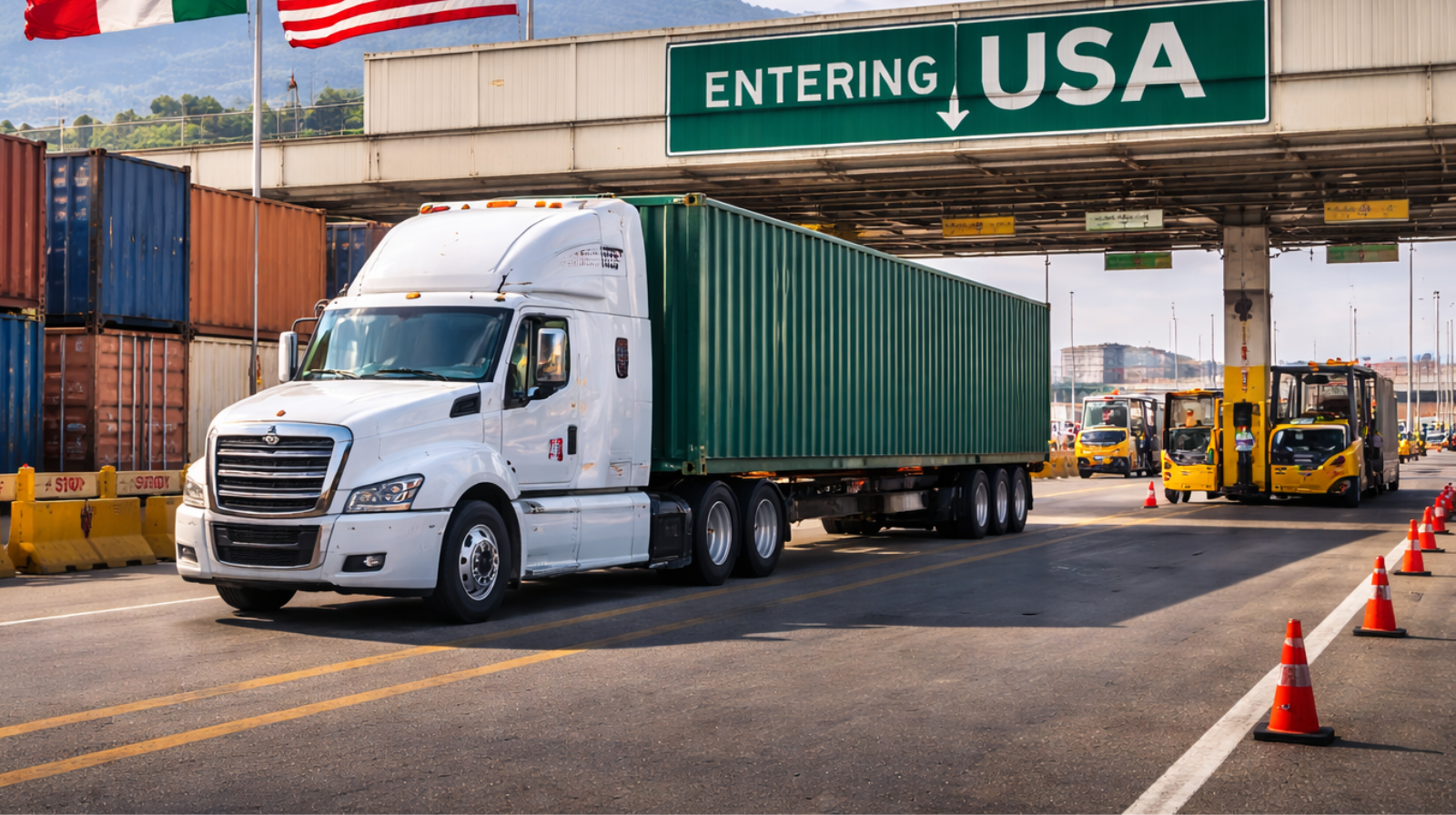
For food brands importing or exporting across North America and Latin America, cross-border grocery logistics is both an opportunity and a challenge.
Rising consumer demand for multicultural foods, coupled with supply chain complexity, means that cross-border logistics must balance compliance, freshness, and speed — all while managing fluctuating trade rules and transportation costs. The future of food logistics is regional and resilient. Importers that master cross-border operations can reduce costs, gain flexibility, and serve growing U.S. demand for Hispanic and international products.
Here are five key strategies every importer, manufacturer, and retailer should apply to build a smarter, stronger cross-border grocery logistics network.
1. Use Foreign Trade Zones (FTZs) to Reduce Tariffs and Improve Cash Flow
One of the most powerful tools for importers is the Foreign Trade Zone (FTZ) program.
An FTZ allows goods to be stored, processed, or repackaged in a secure U.S. zone without immediate duty payment — duties are only applied once goods enter U.S. commerce. This system provides flexibility, cash flow advantages, and tariff management options that traditional warehouses cannot match.
For grocery and beverage brands that source from multiple Latin American suppliers, FTZs streamline imports and minimize redundant customs filings. They’re especially valuable for:
- Multi-origin products (e.g., blended beverages or sauces)
- Seasonal imports (e.g., produce, festive goods)
- Brands needing U.S.-based quality inspection before retail distribution
Source Logistics operates FTZ-enabled facilities in key logistics corridors, helping food importers defer costs and move goods faster through the border process.
2. Prioritize Compliance and Traceability at Every Step
In cross-border grocery logistics, regulatory compliance isn’t optional — it’s the foundation of operational success. Importers must navigate:
- FDA and USDA regulations for labeling, packaging, and safety
- FSMA (Food Safety Modernization Act) import rules
- Customs and Border Protection (CBP) inspections and documentation
Errors in paperwork, labeling, or documentation can delay entire shipments or result in costly product holds. Source Logistics’ facilities are SQF-certified and built around advanced traceability systems that monitor each SKU’s journey from port to shelf.
Pro Tip:
Digitize your traceability systems to track batch-level data across suppliers and warehouses. Modern WMS integrations make FDA audits and recall management dramatically faster and more transparent.
3. Optimize Warehouse Location for Freshness and Freight Efficiency
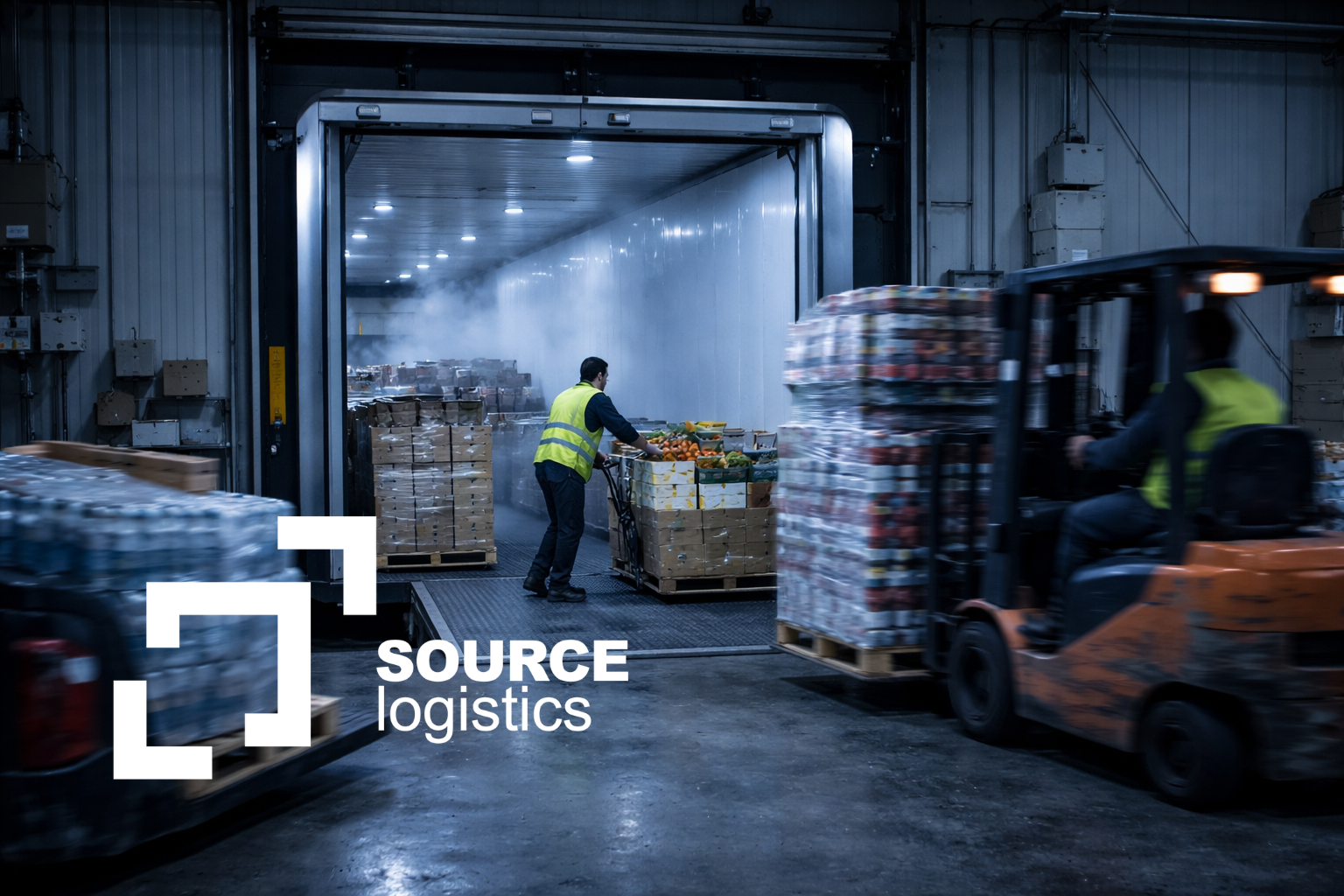
Cross-border grocery logistics is highly sensitive to time and temperature. Choosing the right warehouse location can reduce spoilage, ensure compliance, and lower freight costs. Products like dairy, produce, and frozen goods must move seamlessly from port or border entry to distribution centers.
The ideal warehouse should be:
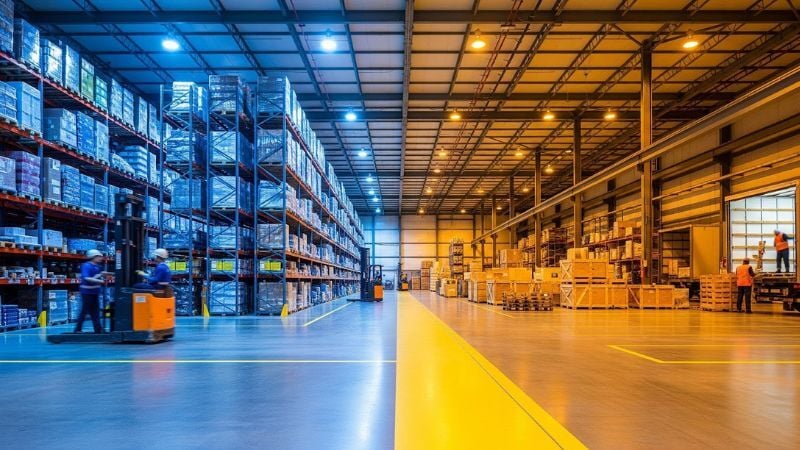
- Within one to two days’ drive of key import ports or crossings (e.g., Laredo, Long Beach, Houston)
- Equipped with temperature-controlled zones for ambient, refrigerated, and frozen SKUs
- Supported by multi-modal access (truck, intermodal, drayage)
Source Logistics’ strategically located facilities, especially near the U.S.-Mexico border, are optimized for cross-border efficiency and product integrity.
4. Integrate Omnichannel Fulfillment to Serve Multiple Markets
The modern grocery landscape is no longer linear. Brands must fulfill retail orders, direct-to-consumer shipments, and B2B wholesale deliveries — often from the same inventory pool. Cross-border logistics becomes even more complex when balancing multiple demand channels with international imports.
That’s where omnichannel fulfillment comes in. Source Logistics’ network enables brands to manage all fulfillment types under one digital system — giving visibility across:
- Retail replenishment and DC routing
- E-commerce and subscription box orders
- Wholesale and distributor shipments
With one platform, brands can maintain consistency, reduce inventory duplication, and scale efficiently across channels.
5. Build Partnerships That Understand Culture and Compliance
Cross-border logistics is more than trucks and customs — it’s about trust, expertise, and cultural fluency. Latin American imports often involve multilingual communication, country-specific documentation, and relationship-based coordination between suppliers, brokers, and carriers.
That’s why working with a logistics partner fluent in both compliance and culture is so valuable. A strong 3PL should provide:
- Bilingual operations support
- Country-specific knowledge of export processes
- In-house quality inspections and labeling services
- Experience managing Latin American food imports
Source Logistics combines deep cultural understanding with technical excellence. With over 30 years of experience in multicultural and food-grade logistics, they support brands navigating every stage of the cross-border journey — from customs clearance to last-mile retail delivery. (Read More in: Beyond Storage: How Value-Added Services Are Redefining Food Logistics).
The Future of Cross-Border Grocery Logistics
With nearshoring trends accelerating and U.S. consumers craving global flavors, cross-border grocery logistics will define the next generation of supply chain strategy.
The most successful importers will:
- Invest in technology that connects suppliers, customs, and retailers
- Leverage FTZs to stay cost-competitive
- Partner with 3PLs that offer traceability, compliance, and cultural fluency
- Balance retail and DTC demand through omnichannel fulfillment
The goal isn’t just to move food across borders — it’s to deliver culture, quality, and trust at scale.
Build a Borderless Supply Chain with Source Logistics
Cross-border grocery logistics requires more than storage — it demands compliance expertise, temperature control, and operational fluency across borders.
Source Logistics supports multicultural food brands with:
- FTZ-enabled import facilities
- SQF-certified, compliance-ready warehouses
- Temperature-controlled cross-border hubs
- Omnichannel fulfillment for retail and DTC
If you’re scaling multicultural food distribution across the U.S. and Latin America, let’s talk. Contact Us to get started.
.png)